Ways People Travel a River
This is a neutral map of common river-trip formats and the planning questions each format creates. The page does not offer, arrange, compare, or endorse trips. It helps readers distinguish a short float from a technical whitewater day, and a single-day outing from a boat-supported overnight journey.
Short scenic floats
A short float may involve fewer miles, but it still requires an exact put-in and take-out, a suitable craft, properly fitted life jackets, a shuttle or vehicle plan, and an understanding of every rapid and obstruction on the chosen reach. “Short” describes elapsed distance or time; it does not mean consequence-free. Wind can slow progress, cold water can matter on a hot afternoon, and missed take-outs can turn a modest plan into a much longer one.
Whitewater day trips
A whitewater day emphasizes moving-water skills, group spacing, rapid recognition, commands, and recovery procedures. Difficulty labels are summaries, not promises. A classification cannot describe the exact line a boat will take, the effect of wind, the location of new wood, or how a swimmer will respond. The state’s river-recreation safety guidance explains why swift water calls for specific knowledge and equipment.
Before selecting this format, separate the excitement of a rapid from the competence needed to manage it. Ask who will direct the craft, who understands the route, how participants will respond if separated, and what circumstances trigger a portage or cancellation. The honest answer may point toward professional instruction or a less demanding reach.
Self-directed equipment trips
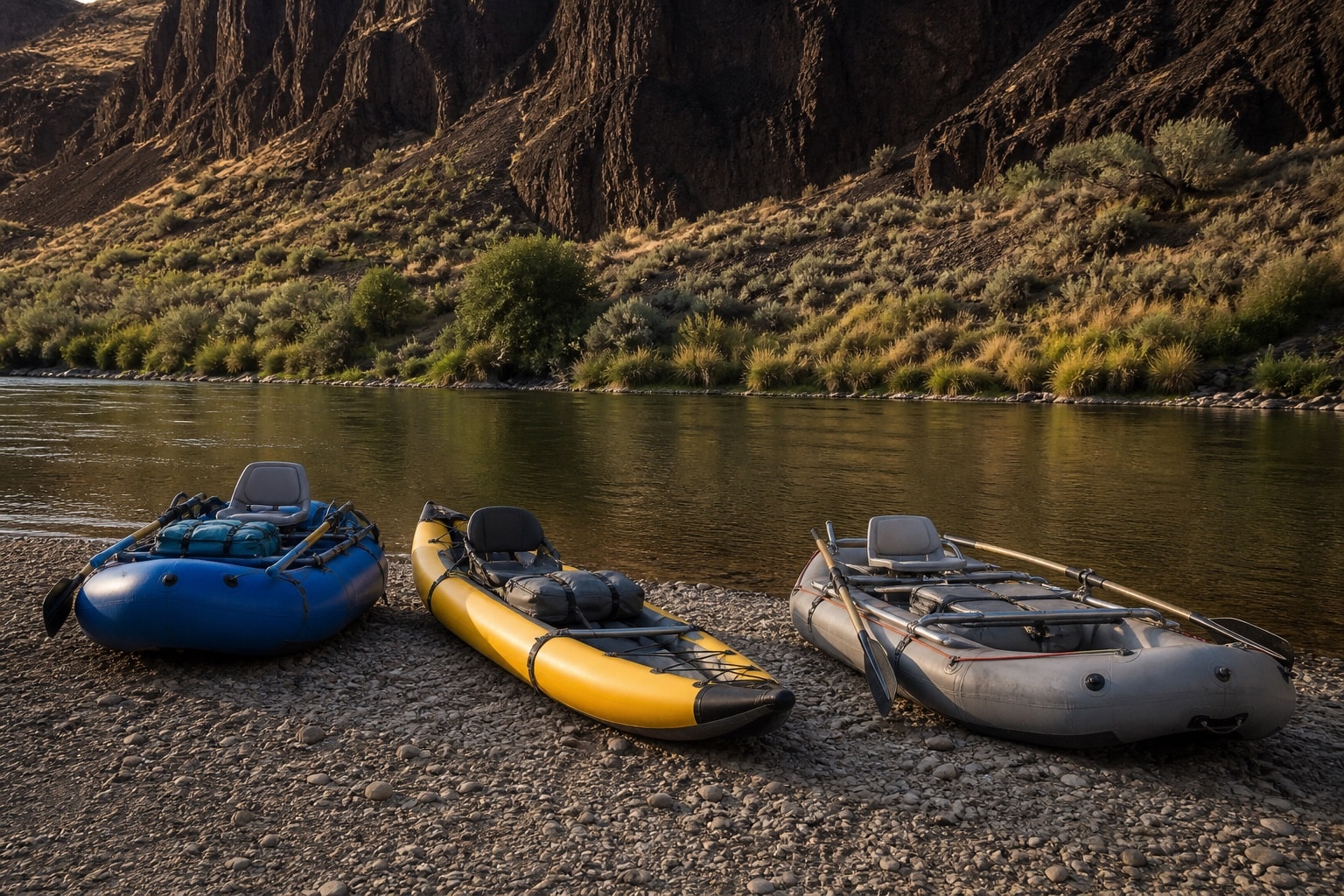
When a group supplies or rents its own craft, responsibility remains with the group. Equipment availability does not establish route suitability, skill, or readiness. The group must understand inflation, loading, valves, frame or seat security, paddle or oar use, repair procedures, and the limitations printed on each item. A pre-launch inspection should occur with enough time to correct problems without rushing.
Guided and instructional travel
Guided travel may add local route knowledge and a structured command system, while instruction focuses deliberately on technique and judgment. Those categories can overlap, but they are not identical. Readers looking for a current authorized provider should use the responsible public agency’s current resources rather than any name or recommendation on this site. Provider status, permits, and offerings can change.
Overnight and multi-day journeys
An overnight trip adds load management, campsite rules, food storage, sanitation, fire restrictions, drinking-water strategy, weather exposure, and the possibility that a small delay compounds across days. It also changes boat handling: a heavily loaded craft responds differently, needs more room, and can be harder to recover. The official river-segment and camping overview should be checked while the route is being formed, not after gear is packed.
Choose by constraints, not labels
A useful selection process begins with the least flexible facts: group ability, current access, the hardest water on the route, available daylight, and the forecast. Then consider duration and desired experience. This reverses the common mistake of choosing an exciting label first and forcing the details to fit it. The right format is the one the entire group can prepare for honestly, with room for changing conditions and a clear no-go threshold.
Continue with day-trip pacing, overnight systems, or the complete planning sequence. Each page treats the river as a decision environment, not a product.
A format is not a readiness test
Two trips with the same label can demand very different judgment. Ask what happens at the hardest feature, during the longest gap between access points, and when the slowest boat loses pace. Those concrete scenarios reveal more than a category name. If the response depends on perfect weather or flawless execution, the trip needs more margin or a different shape.